
Animal protein: production scale, food security and strategic investment opportunities
Published on 18/07/2026
Auto-translated from Portuguese.
Brazil as a global platform
Population growth, urbanization and rising incomes keep animal protein at the center of food security. In this scenario, Brazil stands out for its availability of land and grains, industrial scale, sanitary knowledge and access to international markets.
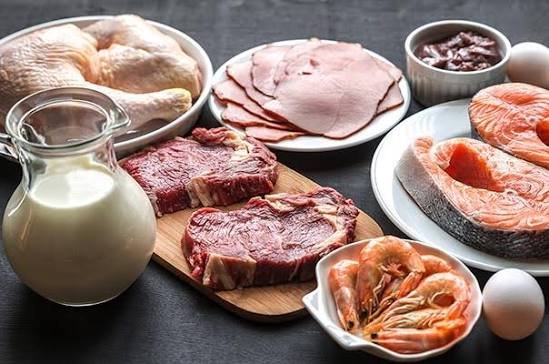
The sector brings together beef, poultry, pork, eggs, dairy, fish, genetics, nutrition, processing and by-products. Each chain has its own cycles, risks and investment models.
Scale, integration and supply
Large operations can dilute costs, negotiate better inputs and access broader markets. But installed capacity is not synonymous with efficiency. A plant only creates value when it has animals, raw materials, working capital, labor, qualified markets and commercial capacity.
Vertical integration increases predictability by connecting genetics, feed, breeding, technical assistance, transportation, slaughter, processing and distribution. At the same time, it requires capital, governance and consistent management across all links.
Health and access to markets
Animal health is an economic asset. Diseases can reduce productivity, suspend exports and compromise reputation. Biosafety, traceability, inspection, certifications and contingency plans are central components of the assessment.
International access depends on the requirements of each country. Plant licensing, animal welfare, drug residues, cold chain, labeling and religious certifications, such as Halal, can expand or restrict the available market.
Industrial efficiency and value addition
The investor must distinguish physical, authorized, operational and effectively used capacity. Cooling, power, water, wastewater treatment, maintenance or supply bottlenecks may prevent the plant from operating at the advertised level.
Portioned cuts, prepared foods, premium brands, ingredients, collagen, gelatin, flours, fats and biogas expand recipes and improve the use of raw materials.
Sustainability, logistics and working capital
Animal protein depends on efficient logistics and an uninterrupted cold chain. The location needs to balance proximity to animals and grains, access to highways, ports, consumer centers, energy and water.
The sector also requires high working capital to finance animals, feed, stocks, packaging, exports and deadlines granted to customers. Illiquid growth can compromise an apparently profitable operation.
Sustainability must include animal origin, supplier compliance, emissions, water use, waste treatment and transparency.
Due diligence and premium asset
The assessment must integrate production, industry, health, environment, market, logistics, finance and legal aspects. The investor needs to understand where the raw materials will come from, who will buy the products, how much capital will be needed and what risks support the thesis.
A premium asset brings together five dimensions: reliable supply, operational efficiency, access to markets, health and environmental security and capacity for growth.
In the animal protein sector, scale opens up opportunities. Health, integration, governance and execution transform these opportunities into sustainable value.
Unparalleled Business
Knowledge. Governance. Opportunity.
Strategic Assets Series